
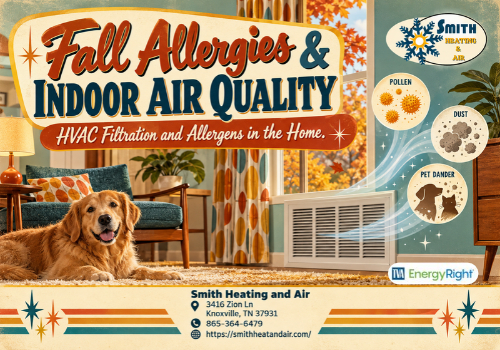
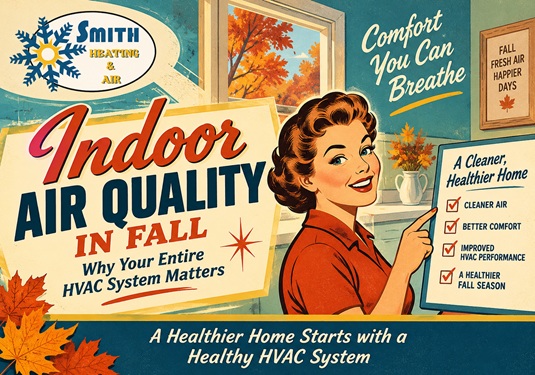
Fall can bring cooler temperatures and welcome relief from summer heat, but it can also bring seasonal allergens into your home. Pollen, dust, pet dander, and other small particles can enter through doors, windows, clothing, shoes, pets, and normal household activity. Once these particles are indoors, your HVAC system can influence how they move throughout the house and determine indoor air quality.
HVAC filtration plays an important role, but improving indoor air quality usually involves more than replacing an air filter. Equipment cleanliness, ductwork, airflow, humidity, and system maintenance can all affect the amount of airborne debris circulating through your living space.
Why Can Fall Allergies Feel Worse Indoors?
Many people associate allergy season with spring. However, fall can also bring high levels of outdoor pollen and other airborne particles.
Every time someone opens a door, walks through the house, or comes inside after spending time outdoors, small particles can enter the home. Pets may also carry pollen on their fur.
Meanwhile, indoor sources add to the problem. Dust, pet dander, fibers, and other particles can become airborne during everyday activities such as vacuuming, cleaning, cooking, or simply walking across a room.
Once particles become airborne, your heating and cooling system may pull some of them into the return-air system.
How Does HVAC Filtration Affect Indoor Air Quality?
 An HVAC filter is designed to capture certain particles before air moves back through the system and into your home. However, filters vary considerably in their ability to capture different particle sizes.
The condition of the filter matters as well.
A filter that is heavily loaded with dust and debris may restrict airflow. On the other hand, installing a filter that is too restrictive for the HVAC system can also create airflow problems.
Therefore, homeowners should use a filter that is appropriate for their particular system rather than automatically choosing the highest-rated filter available.
Regular filter checks are especially useful during periods when pollen, dust, or pet dander may be more noticeable.
Can Dirty HVAC Equipment Contribute to Air Quality Problems?
The filter is only one part of the system.
Dust and debris can accumulate inside HVAC equipment over time. Depending on the system, technicians may inspect areas such as the blower, coils, cabinet, drain components, and other internal surfaces.
When air continuously moves through equipment that contains buildup, some particles may continue circulating through the home.
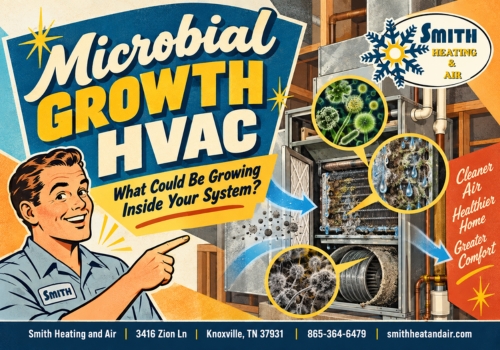
Moisture can also become an issue. Condensation is normal in certain parts of an air-conditioning system, but excessive moisture combined with dust and organic material can create conditions where unwanted microbial growth may develop.
Professional inspection and routine maintenance can help identify these concerns before they become larger problems.
What Role Does Ductwork Play in Fall Allergies?
Your duct system carries conditioned air from the HVAC equipment to different rooms throughout the house. If the ductwork has leaks, gaps, excessive dust accumulation, or other problems, indoor air quality may be affected.
For example, leaks in certain areas can allow dust or particles from attics, crawl spaces, garages, or other surrounding spaces to enter the system.
Not every home needs duct cleaning. However, visible contamination, damaged ductwork, airflow problems, unusual odors, or excessive dust may justify a professional inspection.
Why Does Proper Airflow Matter?
Balanced airflow helps an HVAC system distribute conditioned air throughout the home.
Restricted airflow may develop because of dirty filters, blocked vents, equipment problems, duct restrictions, or other issues. When airflow is poor, some areas of the house may feel uncomfortable while the HVAC system works harder to maintain the thermostat setting.
Homeowners can help by keeping supply and return vents open and unobstructed. Furniture, rugs, boxes, and curtains should not block important air pathways.
If airflow remains weak even after checking the filter and vents, a technician can inspect the system for other causes.
How Can Humidity Affect Allergens in the Home?
Humidity is another part of indoor air quality.
When indoor humidity remains too high, the home may feel damp or uncomfortable. Excess moisture can also encourage conditions that support microbial growth.
Very dry indoor air can create its own comfort concerns.
Because your HVAC system helps control temperature and moisture, humidity problems may sometimes point to equipment, drainage, airflow, or system-sizing issues that deserve attention.
A Smith Heating and Air Customer Experience
Routine HVAC service can help identify problems that may otherwise go unnoticed. Jonathan Lambert shared his experience with Smith Heating and Air:
“Jimmy was my service technician. He was punctual and friendly. Jimmy set right to work doing my HVAC service and was very thorough. He quickly discovered the problem and repaired it in a timely manner. It was a genuine pleasure having Jimmy service our HVAC units.”
Thorough HVAC system inspections can be especially valuable before the heating season begins, when homeowners start relying on equipment that may not have operated regularly for several months.
What Can Homeowners Do About Fall Indoor Air Quality?
Start with simple steps. Check your HVAC filter regularly, keep vents clear, reduce unnecessary dust buildup, and pay attention to unusual odors, moisture, weak airflow, or excessive dust around registers.
However, remember that indoor air quality involves the entire HVAC system. Filtration, equipment condition, ductwork, airflow, and humidity all work together.
FAQ
Can my HVAC system make fall allergies worse?
Your HVAC system does not create seasonal allergies, but it can influence how pollen, dust, pet dander, and other particles move throughout your home. Filtration, equipment cleanliness, airflow, and ductwork can all affect particle circulation.
How often should I change my HVAC filter during allergy season?
The right schedule depends on the type of filter, household conditions, pets, system use, and manufacturer recommendations. During periods with more pollen or dust, homeowners may need to check filters more frequently.
Does a higher-rated HVAC filter always improve indoor air quality?
Not necessarily. A filter that is too restrictive for your HVAC system may reduce airflow. The best filter should provide effective filtration while remaining appropriate for the design and airflow requirements of your system.
Can dirty ductwork affect indoor air quality?
Damaged, leaking, or heavily contaminated ductwork may contribute to dust and particles entering or circulating through a home. However, not every home automatically needs duct cleaning. An HVAC professional can inspect the system and determine whether there is a specific concern.
Does humidity affect fall allergies?
Humidity can influence indoor comfort and environmental conditions. Excessive moisture may encourage microbial growth, while very dry air can also create comfort issues. Proper humidity control is one part of maintaining a comfortable indoor environment.
Can HVAC maintenance help with indoor air quality?
HVAC maintenance can help identify dirty equipment, clogged filters, airflow restrictions, moisture problems, and other system concerns. Maintenance does not eliminate allergens, but keeping the system clean and operating correctly may help reduce unnecessary particle circulation.
If fall allergies have you thinking more about the air moving through your Knoxville home, Call Smith Heating and Air. A professional HVAC inspection can help identify filtration, airflow, equipment cleanliness, humidity, and other system concerns that may be affecting your indoor environment.
See more heating and cooling on our Facebook page.
Smith Heating and Air
3416 Zion Ln
Knoxville, TN 37931
865-364-6479
https://smithheatandair.com/
Areas Served:
Knoxville, Fountain City, Farragut, Powell, Halls, Karns, Friendsville, Clinton, Concord, Kingston, Townsend, Greenback, Maryville, Oak Ridge, New Market, Kimberlin Heights, Corryton

0 Comments